The writer is an economist, anchor, geopolitical analyst and the President of All Pakistan Private Schools’ Federation president@Pakistanprivateschools.com
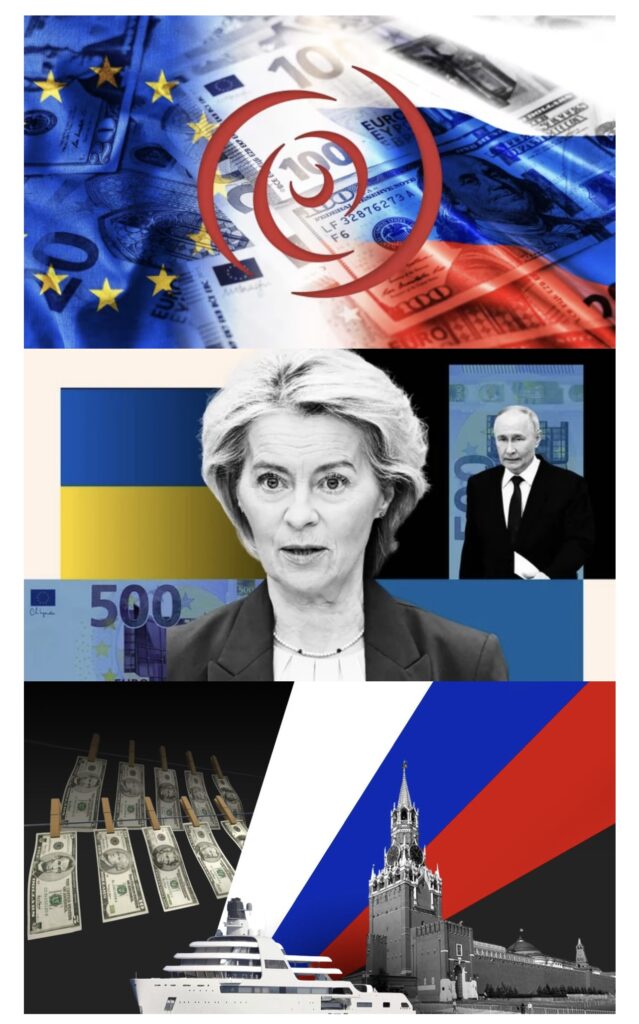
As the conflict in Ukraine rages on, the European Union’s (EU) role in supporting Kyiv and holding Moscow accountable hangs in the balance. Confiscating Russian assets to fund Ukraine’s reconstruction and defense efforts may seem like a straightforward solution, but it would be a high-risk move with far-reaching geopolitical implications. This drastic measure would likely be perceived as a declaration of war, escalating tensions and potentially drawing the EU into the conflict. The assets in question, estimated at €300 billion, are frozen in Western countries, and using them to fund Ukraine could provide a substantial boost to Kyiv’s efforts. However, this move would set a precedent for future conflicts, undermining international law and global stability. The EU’s stance on sovereign assets and the principles of international law would be compromised, potentially emboldening other nations to take similar actions. The ongoing conflict in Ukraine has sparked intense debate about the European Union’s (EU) role in supporting Kyiv and holding Moscow accountable. One proposal gaining traction is confiscating Russian assets to fund Ukraine’s reconstruction and defense efforts. However, this move raises significant concerns, as it could be perceived as a declaration of war and drag the EU into the conflict. Confiscating Russian assets would be a drastic measure, marking a significant shift in the EU’s stance towards Russia. The assets in question are estimated to be around €300 billion, frozen in Western countries since Russia’s invasion of Ukraine. Using these assets to fund Ukraine could provide a substantial boost to Kyiv’s efforts, but it would also set a precedent for future conflicts and undermine the principles of international law. Confiscating Russian assets could be seen as a hostile act, potentially leading to further escalation from Moscow. Russia might retaliate by targeting EU assets or interests, drawing the EU deeper into the conflict. This move would likely irreparably damage EU-Russia relations, making it challenging to negotiate a peaceful resolution to the conflict. The precedent set by confiscating Russian assets could be used by other countries in future conflicts, undermining global stability and the rule of law. The US has taken a more cautious approach, focusing on sanctions and military aid to Ukraine rather than asset confiscation. The 2005 World Summit Outcome Document emphasizes the importance of respecting sovereign assets and avoiding measures that could be seen as punitive or coercive. The EU and Russia have imposed sanctions on each other, affecting trade and energy relations. The EU is reducing its dependence on Russian energy, but some member states remain reliant on Russian gas and oil. Russia’s invasion of Ukraine has led to diplomatic isolation, with the EU and other countries limiting engagement. EU-Russia trade has declined significantly since 2014, with sanctions affecting sectors like energy, finance, and defense. Russia’s energy exports to the EU have decreased, with the EU seeking alternative suppliers. Some EU countries, like Denmark and Portugal, are leading the way in renewable energy adoption, while others, like Poland, are transitioning from coal. Sanctions have had a significant economic impact on Russia, but also affected EU businesses and trade. The EU is increasing LNG imports from the US, Qatar, and other countries to reduce dependence on Russian gas. The EU is accelerating its transition to renewable energy, investing in solar, wind, and hydrogen power. The EU is exploring alternative pipeline routes, such as the Southern Gas Corridor, to reduce reliance on Russian gas. The EU is promoting energy efficiency measures to reduce overall energy demand. Some EU countries, like Germany, are reassessing their energy dependence on Russia, while others, like Hungary, are seeking exemptions from EU sanctions. The EU is making significant strides in reducing its reliance on Russian gas, with imports decreasing from 45% in 2021 to 15% in 2023. This shift is driven by the REPowerEU Plan, aiming to phase out Russian fossil fuel imports by 2027. The EU is diversifying its energy sources, increasing LNG imports from the US, Qatar, and other countries, and investing in renewable energy. This shift is driven by the EU’s REPowerEU plan, launched in 2022, which aims to reduce dependence on Russian energy and accelerate the transition to clean energy. The EU has made notable progress, with Russian gas imports decreasing significantly, and is exploring alternative energy sources, including LNG from the US and renewable energy. The EU’s LNG imports increased by 7% in 2023, with the US becoming a major supplier. The EU aims to generate 45% of its electricity from renewables by 2030. The EU is promoting energy efficiency measures to reduce gas consumption. The EU risks overreliance on new gas suppliers, like the US. Expanding LNG terminals and interconnectors is crucial. Global market fluctuations and tensions may impact energy security. The EU’s renewable energy targets and energy diversification strategies further are 45% by 2030: The EU aims to generate 45% of its electricity from renewables, up from the previous target of 32%; Net-Zero by 2050: The EU is committed to achieving net-zero greenhouse gas emissions by 2050; National Targets: EU member states have set their own renewable energy targets, with some countries aiming higher than the EU-wide goal. The EU is expanding LNG imports and exploring alternative pipeline routes, like the Southern Gas Corridor. Investing in solar, wind, and hydrogen power to reduce dependence on fossil fuels. Promoting energy efficiency measures to reduce overall energy demand. Developing energy storage solutions and expanding interconnectors to enhance energy security. The move towards energy independence is expected to enhance Europe’s energy security, reduce reliance on a single supplier, and promote sustainable development. However, some countries, like Hungary and Slovakia, have expressed concerns about the impact on their economies and are seeking exemptions or alternative arrangements.
Escalating EU-Russia tensions could impact Europe and the NATO States. Enhanced EU-Russia security cooperation could address common challenges, such as terrorism and cyber threats. The EU and Russia might engage in regional integration initiatives, promoting economic cooperation and stability. Confiscating Russian assets to fund Ukraine would be a high-risk move with significant geopolitical implications.
EU-Russia relations have significant implications for Europe and the NATO allies States, given their geographic proximity and historical ties. Russia’s actions in Ukraine and military build-up raise concerns among Eastern European countries. Some Eastern European countries rely heavily on Russian energy, making them vulnerable to Russian influence. Eastern European countries prioritize EU and NATO integration, seeking security guarantees against Russia. The Baltic States (Estonia, Latvia, and Lithuania) are concerned about Russia’s military presence in the region. The Baltic States prioritize NATO and EU membership, ensuring collective defense and security. Russia’s influence on Russian-speaking minorities in the Baltic States is a concern. The consequences of confiscation would be severe. Russia might retaliate by targeting EU assets or interests, further destabilizing the region. EU-Russia relations would likely be irreparably damaged, making it challenging to negotiate a peaceful resolution to the conflict. The global implications would be significant, with potential repercussions for international cooperation and the rule of law. The issue of protecting property rights, there are other human rights that are important for the state to observe in the process of confiscation of private assets. The European Convention on Human Rightsguarantees everyone the right to a fair trial (Article 6) and the right to an effective remedy (Article 13). Escalating EU-Russia tensions could impact Europe and the NATO States. Enhanced EU-Russia security cooperation could address common challenges, such as terrorism and cyber threats. The EU and Russia might engage in regional integration initiatives, promoting economic cooperation and stability. Confiscating Russian assets to fund Ukraine would be a high-risk move with significant geopolitical implications. The EU should prioritize diplomatic efforts and avoid taking actions that could escalate the conflict or undermine international law. Instead, the EU should explore alternative funding mechanisms and work with international partners to develop a coordinated approach to addressing the conflict. A more autonomous Europe could have significant implications for various regions, including Africa, Asia, and the Middle East. A more autonomous Europe may prioritize partnerships with Africa, driving investment and cooperation in areas like infrastructure, energy, and security. Europe could play a more significant role in addressing African security challenges, such as terrorism and piracy. Europe may reassess its migration and asylum policies, potentially leading to more effective and humane approaches. A more autonomous Europe may navigate the complex web of Asian rivalries, potentially leading to increased competition and cooperation. Europe could strengthen economic partnerships with Asian countries, driving growth and innovation. Europe may contribute to Asian security initiatives, such as the Indo-Pacific strategy. A more autonomous Europe could play a more significant role in addressing Middle Eastern security challenges, such as the Iran nuclear deal and the Syrian conflict. Europe may prioritize energy security, potentially leading to increased cooperation with Middle Eastern countries. Europe could support regional integration initiatives, such as the Arab League’s efforts to promote economic cooperation. As The EU should avoid confiscating Russian assets, as it could be perceived as a declaration of war and escalate the conflict. The EU-Russia relationship is complex and has significant implications for European and global security. EU-Russia relations are strained due to Russia’s annexation of Crimea and involvement in Eastern Ukraine. The EU relies heavily on Russian energy, creating a complex interdependence. Russia’s military actions and nuclear capabilities raise concerns among EU member states. The conflict in Ukraine remains a major point of contention. The EU seeks to reduce dependence on Russian energy, while Russia aims to maintain its market share. Russia’s military actions and rhetoric raise concerns about European security. Continued tensions could lead to increased sanctions, military build-up, and potential conflicts. Enhance cooperation to address security concerns and ensure collective defense. Reduce dependence on Russian energy through diversification and renewable sources. Prioritize dialogue and diplomacy to address common challenges and reduce tensions. Improved relations could lead to increased cooperation on energy, security, and global issues. The EU and Russia might negotiate a new security architecture for Europe. EU-Russia relations could impact US-EU cooperation on regional and global issues. Russia’s partnership with China could shift global power dynamics. EU-Russia relations will significantly impact European security and stability. The EU should prioritize diplomatic efforts to negotiate a peaceful resolution to the conflict, engaging with Russia and other international partners. Explore alternative funding mechanisms for Ukraine, such as increased aid or loans, to avoid the risks associated with asset confiscation. Work with international partners, including the US and other G7 countries, to develop a coordinated approach to addressing the conflict and its aftermath. Prioritize dialogue and diplomacy to address common challenges. Reduce EU dependence on Russian energy through diversification and renewable sources. Explore security cooperation opportunities, such as counter-terrorism and non-proliferation. The EU and its member states could increase aid to Ukraine, providing financial support for reconstruction and defense efforts. The EU could provide loans or credit guarantees to Ukraine, helping Kyiv access international markets and finance its reconstruction efforts. The EU could organize international donor conferences to mobilize support for Ukraine’s reconstruction and defense efforts. The EU could issue bonds to raise funds for Ukraine’s reconstruction, spreading the burden across EU member states. EU-Russia cooperation could address common challenges and promote global stability in several areas. EU-Russia energy cooperation could lead to joint projects, such as Nord Stream 2, and enhance energy security. Russia could diversify its energy exports, reducing dependence on European markets. EU-Russia cooperation on renewable energy could promote sustainable development and reduce carbon emissions. EU-Russia cooperation could address common security challenges, such as terrorism and cyber threats. Joint efforts could prevent nuclear proliferation and address global security concerns. EU-Russia cooperation could promote regional stability, addressing conflicts in Ukraine and beyond. EU-Russia cooperation could contribute to a multipolar world, promoting global stability and security. Joint efforts could strengthen the United Nations and other international organizations. EU-Russia cooperation could address global challenges, such as climate change, pandemics, and economic inequality. Potential Initiatives include: EU-Russia Energy Dialogue to enhance energy cooperation, promoting joint projects and diversification; Security and Defense Cooperation to establish a framework for EU-Russia security and defense cooperation; Global Governance Forum to create a forum for EU-Russia dialogue on global governance and international relations. The EU must consider the broader implications and work towards a more sustainable and peaceful solution to the conflict. A peaceful resolution requires dialogue and cooperation, not confrontation and escalation. Confiscating Russian assets would be a reckless move, driven by short-term gains rather than long-term strategic thinking. The EU must tread carefully, balancing its commitment to supporting Ukraine with the need to maintain global stability and uphold international law.