The writer is an economist, anchor, geopolitical analyst and the President of All Pakistan Private Schools’ Federation president@Pakistanprivateschools.com
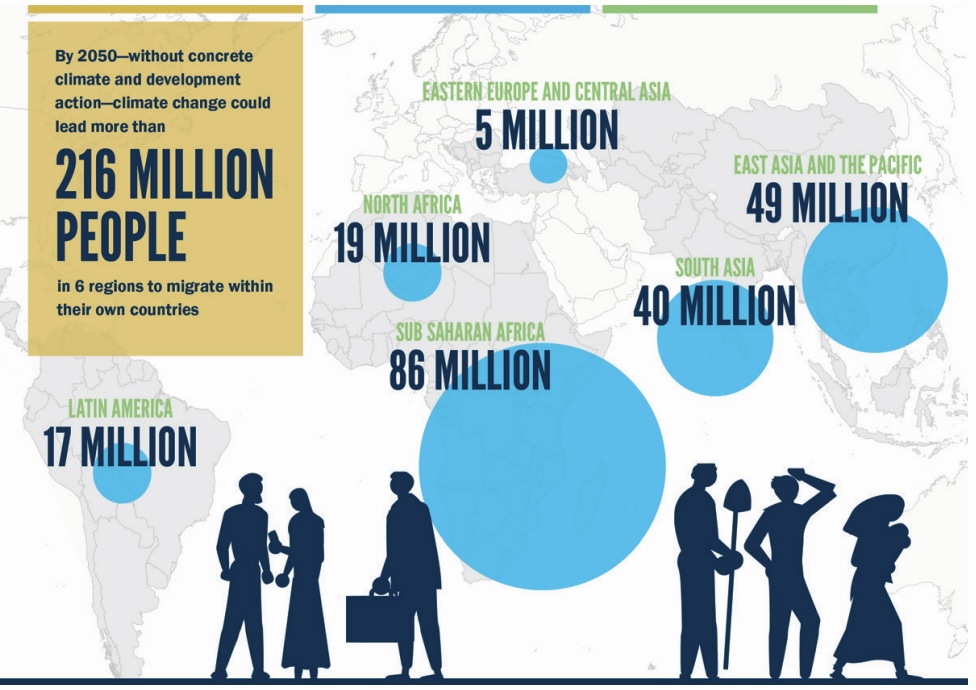
The existential imperative of our time is unequivocal, global warming poses an unprecedented threat to the very fabric of human existence. The negative consequences of climate change are becoming increasingly evident in environmental, economic, social, and political realms day by day, and no country in the world is exempt from these effects. Intergovernmental Panel on Climate Change reports reveal that climate change will be severe, which means that the world can expect more and more conflict. Climate migration and national security problems will emerge due to factors such as natural disasters and resource crises. The inexorable rise in global temperatures, catalyzed by anthropogenic carbon emissions, has precipitated a climate crisis of unyielding proportions. The consequences are far-reaching, from the devastation of ecosystems and biodiversity to the specter of crippling droughts, contaminated water bodies, and the degradation of soil quality. As the world grapples with this quintessential challenge, it is imperative to acknowledge that the effects of global warming are not merely environmental, but also socio-political and economic. The disproportionate impact on developing countries, which have contributed least to greenhouse gas emissions, is a stark reminder of the injustice that pervades this crisis. To mitigate the worst effects of global warming, it is essential to adopt a multifaceted approach. Governments, corporations, and individuals must work in tandem to reduce carbon emissions, transition to renewable energy sources, and promote sustainable practices. The allocation of 50% of climate finance to adaptation and resilience in developing countries is a step in the right direction. Global warming is not just an environmental issue, but a human rights crisis. Rising temperatures are exacerbating poverty, displacement, and inequality, disproportionately affecting vulnerable communities. This topic explores the intersection of climate change, human rights, and social justice. The economic implications of climate change are staggering. From devastating natural disasters to crippling droughts, the cost of inaction far outweighs the cost of taking action. This topic delves into the economic arguments for climate action and the consequences of delaying mitigation efforts. The global response to climate change has been marked by inequality and injustice. Rich countries, which have contributed the most to greenhouse gas emissions, are often the least affected, while poor countries, which have contributed the least, bear the brunt of climate-related disasters. This topic explores the concept of climate justice and the need for equitable climate action. Technology has been touted as a silver bullet for climate change, from carbon capture and storage to geoengineering. But can technology alone solve the climate crisis, or is it a distraction from the systemic changes needed to address the root causes of global warming? Rising sea levels, droughts, and extreme weather events are forcing millions to flee their homes, creating a new wave of climate migrants. This explores the implications of climate migration on global security, conflict, and human mobility, and the need for international cooperation to address this growing crisis. The specter of global warming looms large, casting a pall of uncertainty over the future of our planet. As the consequences of our actions continue to unfold, it has become increasingly evident that climate change is not merely an environmental issue, but a Gordian knot of interconnected challenges that threaten the very fabric of human existence. Which serve as a clarifying lens, illuminating the multifaceted nature of this crisis and underscoring the imperative of collective action. The disproportionate impact of global warming on vulnerable communities is a clarion call to reorient our priorities. Rising temperatures are exacerbating poverty, displacement, and inequality, thereby perpetuating a vicious cycle of human rights abuses. The inexorable link between climate change and human rights is underscored by the fact that the most marginalized populations, who have contributed the least to greenhouse gas emissions, are now facing the harshest consequences. This exigency demands a fundamental recalibration of our approach, prioritizing the rights and dignity of all individuals, particularly those on the frontlines of this crisis. The economic arguments for climate action are compelling, and the consequences of inaction, catastrophic. From crippling droughts to devastating natural disasters, the cost of climate change is spiraling out of control, threatening to upend global economies and imperil human prosperity. The oft-cited maxim, “an ounce of prevention is worth a pound of cure,” is particularly apposite in this context, as the costs of mitigation pale in comparison to the costs of adaptation and resilience. It is imperative that policymakers and stakeholders acknowledge the economic imperative of climate action, lest we succumb to the ravages of inaction. The global response to climate change has been characterized by a glaring dearth of equity and justice. Rich countries, which have historically contributed the most to greenhouse gas emissions, are often the least affected, while poor countries, which have contributed the least, bear the brunt of climate-related disasters. This perverse reality underscores the need for a fundamental reorientation of our approach, prioritizing climate justice and ensuring that those responsible for the crisis bear the commensurate burden. Technology has been touted as a panacea for climate change, with proponents arguing that innovations like carbon capture and storage and geoengineering hold the key to our salvation. While technological advancements are undoubtedly crucial, it is imperative to recognize that they are not a substitute for systemic change. We must be wary of the tendency to fetishize technology, lest we neglect the root causes of climate change and imperil our very survival. The specter of climate migration looms large, threatening to upend global security and stability. Rising sea levels, droughts, and extreme weather events are forcing millions to flee their homes, creating a new wave of climate migrants. This crisis demands international cooperation, compassion, and a commitment to protecting the rights of those displaced by climate change. These all are stark reminder of the existential imperative of climate action. As we navigate the complexities of global warming, it is imperative that we prioritize human rights, climate justice, and the needs of the most vulnerable populations. The six largest emitters are China, the US, India, EU, Russia, and Indonesia. Greenhouse gas emissions have increased by 34% since 1995. The world is on track for a 2.3-2.5°C temperature rise by 2100, exceeding the Paris Agreement goal of 1.5°C. Countries mainly responsible for top emitters are China, US, India, EU, Russia, and Indonesia; with per capita emissions is above world average in US, Russia, China, and EU; below average in Indonesia and India. Climate change threatens human rights, food security, and economic stability; Rising temperatures exacerbate poverty, displacement, and inequality; Extreme weather events cause estimated economic losses of $84.3 billion annually. To address the escalating climate crisis, it is imperative that governments and stakeholders take immediate and collective action. Boosting national climate plans (NDCs) annually, phasing out fossil fuel infrastructure, and transitioning to renewable energy are critical steps towards reducing emissions. Allocating 50% of climate finance to adaptation and resilience in developing countries will help vulnerable communities cope with the impacts of climate change. Strengthening international partnerships is also crucial to address climate migration and security threats.
Climate migration and national security problems will emerge due to factors such as natural disasters and resource crises. While technology holds promise, it must be harnessed in conjunction with systemic changes and global cooperation to mitigate the worst effects of climate change. The looming specter of climate migration and security threats underscores the imperative of addressing this crisis with utmost urgency, prioritizing climate justice, equity, and human rights in our pursuit of a sustainable future.
The scourge of global warming poses an existential threat to the very fabric of our planet, precipitating a climate crisis of unyielding proportions. The inexorable rise in global temperatures, catalyzed by anthropogenic carbon emissions, has precipitated a cascade of devastating consequences, from crippling droughts and floods to the degradation of ecosystems and the loss of biodiversity. This phenomenon, characterized by a profound and enduring alteration in global weather patterns, imperils the sustainability of diverse sectors worldwide. The agricultural sector, in particular, is vulnerable to the capricious whims of climate variability, threatening global food security and exacerbating the challenges of feeding a burgeoning population. The integrity and survival of numerous species are also at stake, as climate change accelerates biodiversity loss and disrupts the delicate balance of ecosystems. Furthermore, climate change has insidious implications for human health, increasing the likelihood of food and waterborne diseases, vector-borne illnesses, and antimicrobial resistance. The global tourism industry, too, is devastated by the impacts of climate change, as once-prine destinations become increasingly inhospitable.
Climate change is a long-lasting change in the weather arrays across tropics to polls. It is a global threat that has embarked on to put stress on various sectors. Specifically, the agricultural sector’s vulnerability is a globally concerning scenario, as sufficient production and food supplies are threatened due to irreversible weather fluctuations. In turn, it is challenging the global feeding patterns, particularly in countries with agriculture as an integral part of their economy and total productivity. Climate change due to global warming has also put the integrity and survival of many species at stake due to shifts in optimum temperature ranges, thereby accelerating biodiversity loss by progressively changing the ecosystem structures. Climate variations increase the likelihood of particular food and waterborne and vector-borne diseases, and a recent example is a coronavirus pandemic. Climate change also accelerates the enigma of antimicrobial resistance, another threat to human health due to the increasing incidence of resistant pathogenic infections. Besides, the global tourism industry is devastated as climate change impacts unfavorable tourism spots. Government involvement is necessary for the country’s long-term development through strict accountability of resources and regulations implemented in the past to generate cutting-edge climate policy. Therefore, mitigating the impacts of climate change must be of the utmost importance, and hence, this global threat requires global commitment to address its dreadful implications to ensure global sustenance. The major cause of global warming is the increasing levels of greenhouse gases, including carbon dioxide, methane, and nitrous oxides, which trap heat in the atmosphere, leading to a rise in global temperatures. The depletion of the ozone layer, primarily caused by chlorine-containing source gases, has further exacerbated the problem. The effects of global warming are far-reaching and multifaceted. Rising sea levels threaten coastal communities and ecosystems, while more frequent and severe weather events, such as hurricanes and droughts, have devastating consequences for human populations and the environment. To mitigate the worst effects of global warming, it is essential to adopt a multifaceted approach. Governments, corporations, and individuals must work in tandem to reduce carbon emissions, transition to renewable energy sources, and promote sustainable practices. By working together and taking decisive action, we can mitigate the worst effects of climate change and create a more sustainable future for all. Urgent actions include: Reducing emissions by 43% by 2030 to limit warming to 1.5°C; Investing $310 billion annually in climate adaptation by 2035; Implementing policies to reduce fossil fuel production and consumption; Promoting reforestation and afforestation efforts; Enhancing public awareness and education on climate change. The time for debate is over; the time for action is now. As the world navigates this existential crisis, it is imperative that we prioritize human rights, climate justice, and the needs of the most vulnerable populations. To implement these measures, governments and stakeholders must: Boost national climate plans (NDCs) annually; Phase out fossil fuel infrastructure and transition to renewable energy; Strengthen international partnerships to address climate migration and security threats; Allocate sufficient resources to climate adaptation and resilience efforts; Promote sustainable practices and reduce carbon emissions. It is imperative that governments and stakeholders assume a proactive role in mitigating the effects of climate change. This can be achieved through the implementation of stringent regulations, the promotion of sustainable practices, and the allocation of resources towards climate resilience and adaptation efforts. Ultimately, the existential threat posed by climate change demands a global response, underscored by a commitment to collective action and cooperation. Only through concerted effort can we hope to mitigate the worst effects of climate change and ensure a sustainable future for all. The future of humanity depends on our collective action. As the world navigates this existential crisis, it is imperative that we prioritize human rights, climate justice, and the needs of the most vulnerable populations. The climate crisis is a multifaceted and existential threat that imperils human rights, economic stability, and global security. The disproportionate impact on vulnerable populations, the staggering economic costs of inaction, and the glaring injustices of climate change demand urgent attention and collective action. While technology holds promise, it must be harnessed in conjunction with systemic changes and global cooperation to mitigate the worst effects of climate change. The looming specter of climate migration and security threats underscores the imperative of addressing this crisis with utmost urgency, prioritizing climate justice, equity, and human rights in our pursuit of a sustainable future.